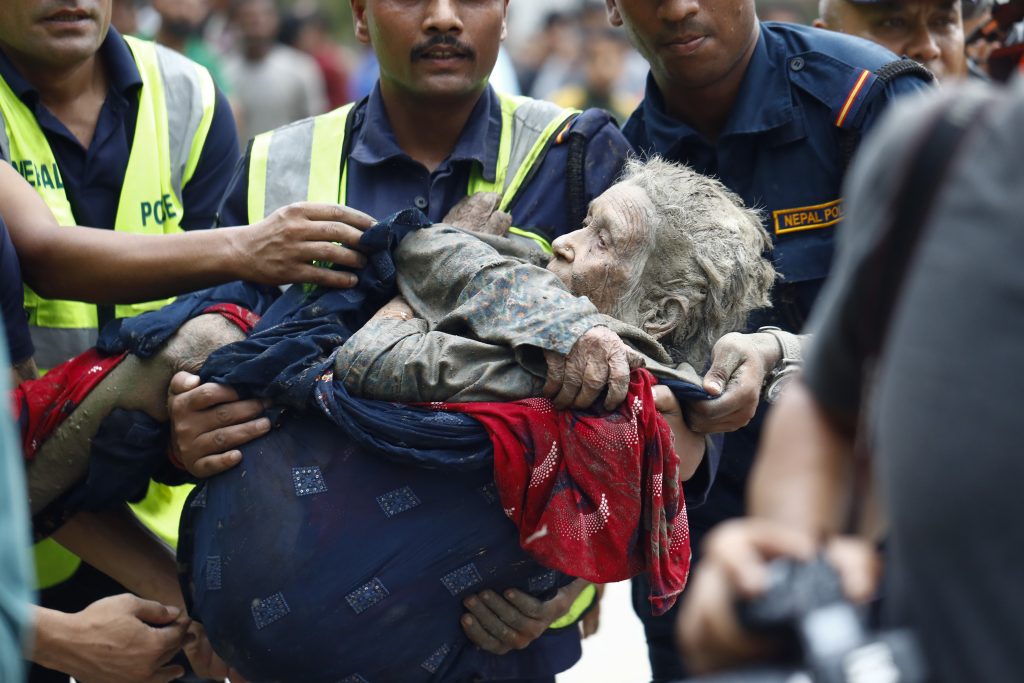
Felm Nepal’s Country Director Lotta Gammelin describes the floods as a humanitarian catastrophe.
Nepal has been struck by a major disaster after a glacier collapse triggered sudden and severe flooding. Torrents of water surged through villages, claiming lives and destroying homes, schools, and health centres. At least 1,500 people are missing and more than 100 have died. The death toll is likely to increase. The risk of flooding in the area remains high, and the situation continues to evolve.
“We are following the situation closely. The images from the disaster area are shocking and almost unreal. My first thought was whether anyone could survive something like that. People in the affected communities have already endured significant hardship from previous disasters, including earthquakes,” says Lotta Gammelin, the Country Director of Felm Nepal.
Felm is allocating €50,000 in emergency assistance to the flood-affected areas. The support will focus on meeting the immediate needs of people caught in the disaster, including access to food and clean water, as well as emergency shelter.
Felm has worked in Nepal for nearly 50 years, first as part of United Mission to Nepal, and after as its own entity. In the areas affected by the floods, Felm Nepal carried out development cooperation programmes for many years until 2021. There is now concern that the development progress achieved over decades could be undone by the catastrophe.
“It is heartbreaking to see the results of long-term development cooperation at risk of being swept away. The disaster threatens people’s livelihoods and other development gains. We are especially concerned about those in the most vulnerable situations. How will persons with disabilities, children, women, and the elderly cope in the aftermath of this disaster?” Gammelin asks.
Nepal is a developing country that is particularly vulnerable to the impacts of climate change. As climate change progresses, various natural disasters increasingly threaten the country’s most vulnerable populations.
“We often speak of those who bear the consequences of climate change without having caused it. It is important to remember that people living in poorer regions have contributed very little to climate change, yet they are the ones who suffer its effects the most,” Gammelin emphasizes.
For additional information, contact Lotta Gammelin lotta.gammelin@felm.org